Key Summary
- Saudi Arabia has officially requested the United States to launch military strikes against Yemen’s Houthi rebels for a second time
- The US side is reported to have already prepared a strike plan targeting the Houthis, but President Donald Trump is reported to have held off on a final decision
- The United Kingdom is reported to have joined military cooperation by providing side support such as refueling to Saudi Arabia to counter the Houthis
An analytical piece examining the military and diplomatic tensions between Saudi Arabia, the United States, and the Houthis, interpreting the Trump administration’s hold as a balance between alliance obligations and the burden of another war, and assessing the structural impact of the Houthis’ expanding threat radius on global energy security
Table of Contents
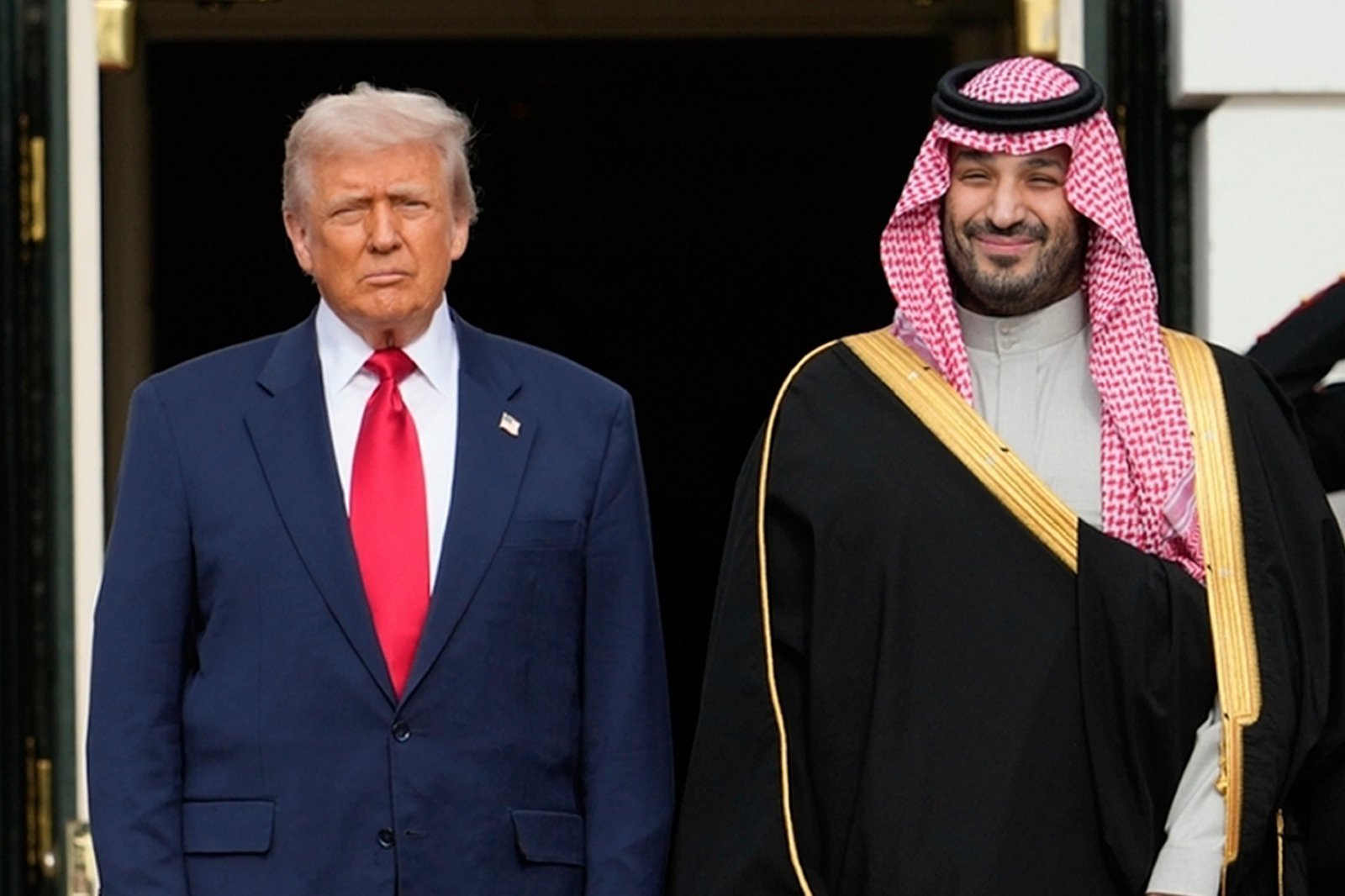
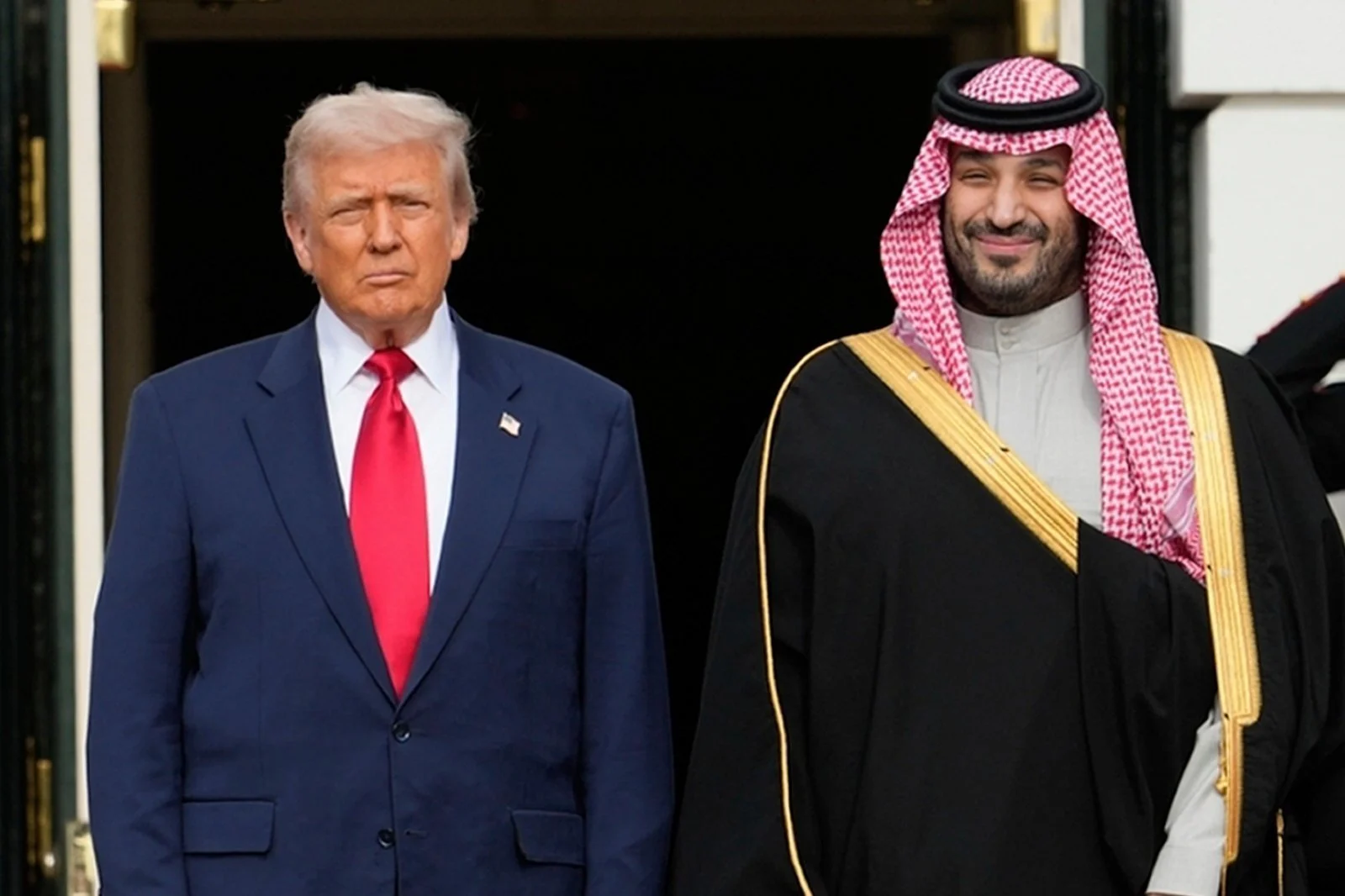
Saudi Arabia’s request to strike the Houthis has landed on the US desk for a second time, but President Donald Trump has not pressed the final button and has instead hit pause. Despite reports that the US administration has already prepared a strike plan targeting the Houthis, the White House’s actions are effectively in “brake” mode. In the meantime, the United Kingdom has made its willingness for military cooperation clear by providing side support such as refueling to Saudi Arabia to counter the Houthis.
If a strike plan is already on the desk, why is the button not being pressed on a Saudi Houthi strike? The answer lies in a two-faction battle inside the United States and the Strait of Hormuz variable.
Why Saudi Arabia Is Requesting a Houthi Strike Again
It is important to look at the background of the request. The Houthis’ threat radius no longer stops at attacks on vessels in the Red Sea. In Saudi Arabia’s southern highlands, the frequency of attacks targeting energy facilities and civilian infrastructure has risen, and the threat zone has reportedly expanded to oil tankers near the Strait of Hormuz.
The UK’s moves also stand out. By providing side support such as refueling to Saudi Arabia, it has effectively joined an alliance-level Houthi containment operation. While the United States holds off on a decision to strike the Houthis, the UK has made its intention to fill Saudi Arabia’s security gap clear.
Saudi Houthi Strike on Hold — 3 Reasons Trump Hit the Brakes
The US military is split into two camps. One camp argues that “the United States should no longer get drawn into another Middle Eastern war,” while the other argues that “ignoring a traditional ally Saudi Arabia’s request would shatter alliance credibility.” These two camps are in a tense standoff, and President Trump’s decision to hold off on striking the Houthis reflects his inability to find a balance point between these two axes.
The point this author focuses on is the timeline. Saudi Arabia has come forward with its request to strike the Houthis not once, but repeatedly. Yet the US response, unable to act immediately, fuels arguments about a Middle East security vacuum. When an ally makes a request and is met with a hold, that itself sends a message.
Viewed in a broader context, this decision runs parallel to the Trump administration’s strategic approach to pressuring Iran. The pattern of repeatedly hesitating between coercion and compromise continues.
The Strait of Hormuz Is the Next Variable
The risk could deepen further. As the Houthis extend their threat zone toward the Strait of Hormuz, the safety risk to global maritime oil transport routes has escalated by one notch. A Hormuz blockade would send international oil prices soaring, and maritime insurance premiums tend to more than double in a single move. Higher insurance premiums directly translate into higher costs.
Maritime insurance premiums are not a simple freight line item. They are calculated as a separate item called the War Risk Premium, and in areas near the Strait of Hormuz, instances of premiums reaching 1–2% of the vessel’s value per transit have been observed. This cost is ultimately borne by cargo owners, raising transaction costs for both oil-producing and importing countries.
The geographic expansion of threats from the Red Sea to the Arabian Sea and toward the Strait of Hormuz simultaneously drives up volatility in the maritime insurance market and major futures markets. From a practitioner’s standpoint, this is the most significant point. This chain reaction becomes clearer when read against the recurring military confrontation context between the US and Iran.
| Stage | Trigger Condition | Oil Price Impact | Maritime Insurance Premium |
|---|---|---|---|
| Continued Red Sea attacks | Currently ongoing | Limited volatility | 10–30% increase |
| Repeated hits on Saudi facilities | Precision strikes on energy infrastructure | +$5–10 per barrel | 30–50% increase |
| Threats to tankers near the Strait of Hormuz | First reports of transit instability | +$15 or more per barrel | 50% or more surge |
| Strait of Hormuz blockade | Attempted military blockade | +$30 or more per barrel | 2x or more |
4 Things to Watch Right Now
Ultimately, the core comes down to four things. Whether the US moves its Saudi Houthi strike plan into execution, how Iran responds, how high maritime insurance premiums climb, and how international oil prices react. A tremor in any one of these sends ripples through the global supply chain.
And these variables are not independent of each other. If the US proceeds with strikes, the likelihood of Iranian retaliation opens up, and if Hormuz-area tankers are chosen as the retaliation target, insurance premiums and oil prices will surge simultaneously. The decision to hold off on a Saudi Houthi strike could either be a delay to break this chain reaction, or a signal that the US is unwilling to bear its consequences.
Summary of Key Issues
- Houthi threat expansion: Zone extended from the Red Sea to near the Strait of Hormuz, directly hitting global maritime insurance premiums
- US domestic dilemma: Burden of another Middle Eastern war vs. Saudi alliance obligations — two axes in tense opposition
- UK’s alternative intervention: Refueling support partially fills Saudi Arabia’s security gap, but military capability limits are clear
- Energy security shock: In the event of a Hormuz blockade, oil prices and insurance premiums surge simultaneously, directly striking the global supply chain
What to Do Right Now
- Review the weighting of energy and transportation ETFs with high Middle East exposure in your portfolio.
- Check the crude oil futures volatility index (OVX) and maritime insurance premium trends on a weekly basis.
- Subscribe via RSS to the disclosures of insurance and shipping companies related to Strait of Hormuz transits.
- Cross-check diplomatic channel movements between Iran and Saudi Arabia across at least two foreign news sources.
- Mark US Department of Defense briefings and White House official statements on your calendar and observe the market reaction within one hour of release.
Frequently Asked Questions
Is this the first time Saudi Arabia has requested a Houthi strike?
According to reports, this is the second official request. The UK has already provided side support such as refueling to Saudi Arabia to counter the Houthis, and a movement to partially fill the security gap caused by the hold on a Saudi Houthi strike is being observed.
Does the fact that the US has prepared a strike plan mean it will be executed?
No. While reports indicate that the US administration has prepared a plan, President Trump is reported to have held off on a final decision to strike the Houthis. The gap between preparing a plan and executing it is determined by political variables.
Can the Houthis actually threaten the Strait of Hormuz?
There are reports that the Houthis’ threat zone has expanded to tankers near the Strait of Hormuz. Even without reaching a full blockade, transit instability and insurance premium increases can take effect immediately, making this a practically significant variable.
What should ordinary investors do about the Saudi Houthi strike issue?
Reviewing energy and shipping ETF weightings, checking the crude oil volatility index, and monitoring Hormuz-related insurer disclosures are the most realistic actions. Starting with portfolio weight review is safer than one-off trades.
Source Material
This article was prepared by reviewing the following source: Dong-A Ilbo (Google News Korea) — Saudi Arabia Again Asks US to “Strike the Houthis”… Strike Plan Prepared but Trump Holds Off